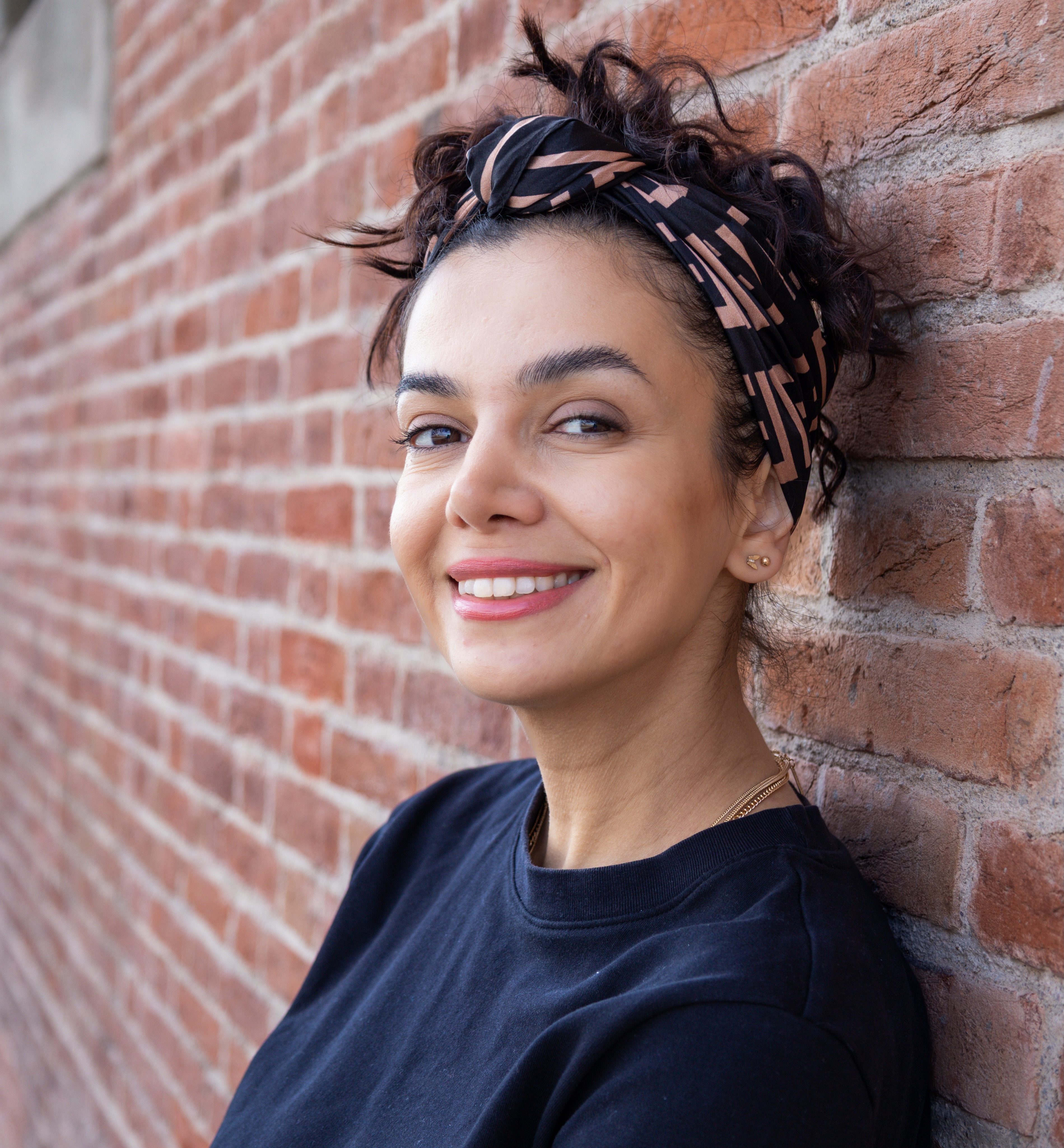
Welcome to my personal page!
I recently finished my PhD at Carleton University, where I worked on a puzzle about what sentences assume without saying, and tested whether humans and language models handle it the same way. Short answer: They don’t.
Transformers, the models behind the LLMs everyone’s excited about, are great at reproducing patterns, but real understanding is another story. Part of what makes language so hard for machines is that we don’t always say exactly what we mean. We lie, we joke, we hint, and we take things for granted without ever stating them. My thesis focused on that last one: what sentences quietly assume, and how those assumptions behave inside conditionals (“if…” sentences). This is known as the Proviso Problem, and I looked at how both humans and language models handle it.
All the Other Things I’ve Done and Am Interested In
I hold an MSc in Computational Linguistics from Sharif University of Technology, Iran. My thesis focused on authorship attribution and writing style detection. Later, I collaborated on a project to create the first gold-standard dataset of Persian Abstract Meaning Representation . That project made me even more interested in semantics and its potential to make meaning more machine-readable by building graphs of meaning based on syntactic and semantic rules.
In 2018, I began my second master’s in Computer Science at Istanbul Technical University in Türkiye, which I pursued until 2020. Although the degree remained unfinished due to my immigration to Canada and the onset of the COVID-19 pandemic, I completed all the coursework for the program. During that time, I also authored an ACL publication on Turkish Abstract Meaning Representation .
Apart from my main research, I carry a deep personal passion for language technology for less-resourced languages. I grew up in western Iran as part of the Southern Kurdish community. Southern Kurdish is a branch of Kurdish language spoken by many, yet almost invisible in the world of technology. Realizing how many speakers of minority languages face barriers to technology simply because of language has made me believe that the computational linguistics community must do more to address the gap. I have been, and will continue to be, active in this area because for me it’s not just about technology, it’s about equity, identity, and making sure every language has a voice.
For more on all the projects described above, check out my publications page.
